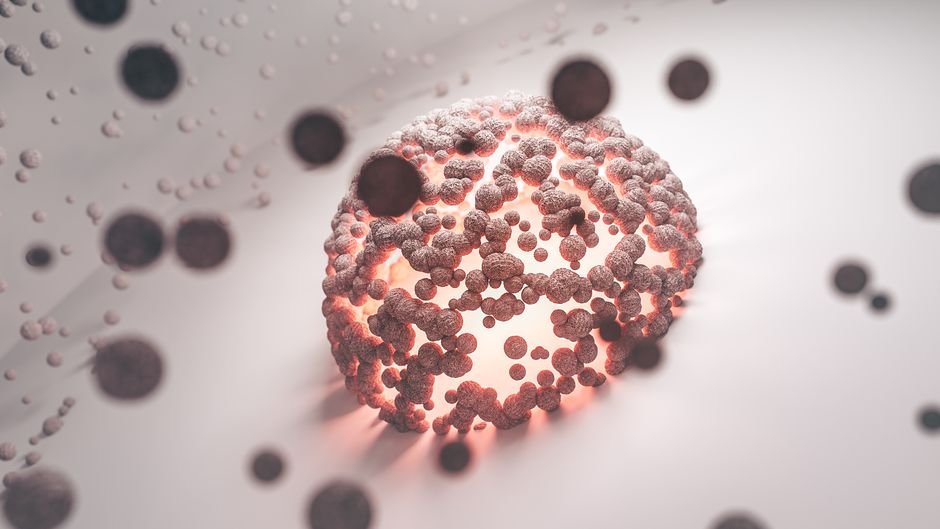
California’s Wild Biotech Thing: Hello, Living Computers?
AI? You thinking fancy silicon, big algorithms right? What if the next huge jump in computing wasn’t built in a factory? More a lab deal? We’re talking California Bio-computing, that’s where human brain cells morph into processors. And it’s gonna flip… well, everything. For real. Our state. Always first with the new stuff. Perfect for this wild frontier. No sci-fi, either. Pure future. And wicked sustainable, too.
The AI Power Drain and California’s Green Fix
Listen up: AI today? Total power monster. One ChatGPT question? Ten times a Google search. Like running your microwave for a good ten-twelve seconds. Multiply that. By billions. Daily. Data centers, loaded with AI chips, gulped down 415 terawatt-hours in 2024. Yeah, 2024. More power than Turkey uses all year. Crazy.
Not just juice, though. These giant server spots? Always need cooling. Big water suckers. An MIT study? Each AI prompt, 0.26 ml water. Five sips. Because ChatGPT handles billions of requests daily. That’s a serious water bill. Our old silicon? Just can’t hack it. Especially when guys like Elon Musk want 5,000 times the world’s chips just for their stuff. Moore’s Law? That trusty old doubling thing? Hitting limits. So, new pathway.
Human Cells: Processing Power’s Next Stop
So, the fix? Stop trying to fake brains. Let’s just use ’em. Scientists grab human skin cells. Turn ’em into brain cells. Grow ’em on chips. Simple. Result? Living. Bio-processors. Imagine a supercomputer needing a medium nuclear plant. Just to run. Your brain, though? 86 billion neurons. Runs slick on 20 watts. A dim lightbulb, doing what takes five wind turbines worth of power in a traditional setup. Stanford guy said it. And another thing: that’s the real power of biological computing.
Selling Living Processors: A Fresh Start
Sounds bonkers. But it’s real. Firms are selling these things already. Cortical Labs, down in Australia? Big news with their commercial bio-computer, the CL1. Cost? Around $35,000. Yeah. Buy a bunch? $20,000 each. Talking devices with 800,000 lab-grown human brain cells. Chillin’ on a silicon chip. Got their own life support too. Keep ’em kicking up to six months. And those cells? Start as skin or blood donations. Then reprogrammed to “baby neurons.” Blank slates, ready to learn.
So, what can they do? Play Pong. For real. Taught with rewards and punishments. Good moves get smooth electrical signals. Bad ones? Chaos. They don’t “see” anything. Just patterns. But wait! Not just Pong. These biological players? Now doing Doom!
Fixing Human Brains: Bio-computing in Medicine
Forget games, though. Medicine is the real deal. Drug testing? Usually animals or dead cells. Hard to know how meds hit your brain. These bio-computers fix that. Alzheimer’s drug researchers, for example, can just rent neurons. Living ones. Train the cells. Give ’em fake seizures—for diseases. Then test new drugs. Directly. Meaning faster, better drug stuff. No animal torture hacks. Big win here in California for our already booming biotech.
Quicker, Greener AI Training
AI gets a boost too. Training huge AI models? Tons of energy. Takes forever. Living neurons. So amazing at processing. Could seriously cut that energy and time. So, a more chill, faster AI for all industries. Robots, defense, you name it. Universities, research centers? Jumping on this tech. Speedy innovation. Never seen it.
The Deep Ethical Questions Ahead
But here’s the kicker. Gets interesting. Kinda gnarly, too. More complex these bio-computers get? We’re heading straight into some deep, thorny ethics. Say these neuron clusters get a consciousness thing. Even just a tiny “self” feeling. Then what? Switching one off? Not just a power button. Could be ending a life. Think about it. These tough, forward-thinking questions? Our academic and science folks in California? They’re gonna deal with ’em. Only us, really. Companies making them? No clue, really. Totally unknown waters.
Quick Q&A
So, what ARE bio-computers?
They’re computers that actually use living bits. Like, lab-grown human brain cells instead of silicon chips. Process stuff with biology. Wild, right?
Why do we even need bio-computers if normal AI and supercomputers are so good?
Current AI and supercomputers? Suck up tons of power and water. And silicon chips? Almost at their limit. No more oomph. Bio-computers fix that. Way more efficient. Way less energy hogging.
Can individuals or researchers get their hands on these?
Yeah, totally. Those first companies? They sell the hardware (around $35,000 a unit). Or you can rent access to living neurons from the cloud, like $1,000 a month. Play around with ’em remotely.